Blog › Reddit uncensored AI text-to-image: A practical guide to AnimatorHub.ai
Reddit uncensored AI text-to-image: A practical guide to AnimatorHub.ai
Reddit uncensored AI text-to-image - AnimatorHub.ai: prompts, privacy, credits, and adult workflows.
Key Takeaways
Reddit uncensored AI discussions can point you toward useful workflows, but platform details and safety rules still need checking. This guide focuses on adult image prompts, companion media, privacy, and sensible credit use.
- Treat Reddit recommendations as starting points, not proof of current features.
- Adult image prompts work better when subject, setting, pose, light, and camera details are clear.
- My Lover’s Creator Studio supports custom adult companions, reference images, photos, and videos.
- Private vaults and visibility controls deserve attention before you upload personal material.
- Credits make short tests easier to budget, especially when images, messages, and videos use different amounts.
What Reddit users should know about AnimatorHub.ai
Reddit threads can be useful for finding prompt ideas, workflow notes, and honest reports about failed generations. They are still informal discussions, so check the platform’s own terms, pricing, and content boundaries before relying on a post. The phrase “Reddit uncensored AI text-to-image - AnimatorHub.ai” usually reflects a search for adult-friendly visual creation rather than a guarantee about every result. The practical question is whether a tool fits your preferred input, privacy needs, and budget.
How the platform differs from mainstream AI tools
Mainstream image services often apply broad filters that can interrupt mature artistic work. An adult-focused service may offer a wider creative range, but “uncensored” does not remove the need for consent, legal use, or age boundaries. Read current policies first, especially if a Reddit comment is old or describes another user’s account. A useful recommendation explains the prompt, input, duration, and settings behind the result.
Where text-to-image fits within AnimatorHub.ai’s broader creation suite
The broader product material centers on video generation from text, images, or existing video sources. The related My Lover experience adds on-demand photos and short videos inside an AI companion conversation, which is where text-led image requests fit most naturally. The Animator Hub guide is a useful place to review prompt formulas, cinematic vocabulary, and image-to-video workflows without treating one prompt as a universal recipe.
Who can use the platform and why it is limited to adults
The service is for adults aged 18 and over, with an age-verification gate on first visit. That boundary applies even when a project is fictional, stylized, or intended only for private use. Adult access means mature content can be approached directly within the stated rules, not that every request is acceptable. Keep every person depicted clearly adult, and avoid material involving minors or illegal content.
Understanding the difference between private and public content
Generated files and uploaded files can remain tied to an account in a private library or vault, while community material may be placed in a public Explore gallery. Those are different choices, not two views of the same default. Before sharing, check visibility, remove sensitive references, and consider whether a face, outfit, or location could identify someone. Privacy is part of the workflow, not a final cleanup step.
How to create AI images with AnimatorHub.ai
A practical image workflow starts with the character, then moves toward the request itself. In the companion experience, you can establish a recurring persona before asking for a specific photo or scene. That approach is more controlled than sending a vague one-off prompt and hoping the visual identity stays stable. The image below reflects the kind of private, adult character workflow this section describes.
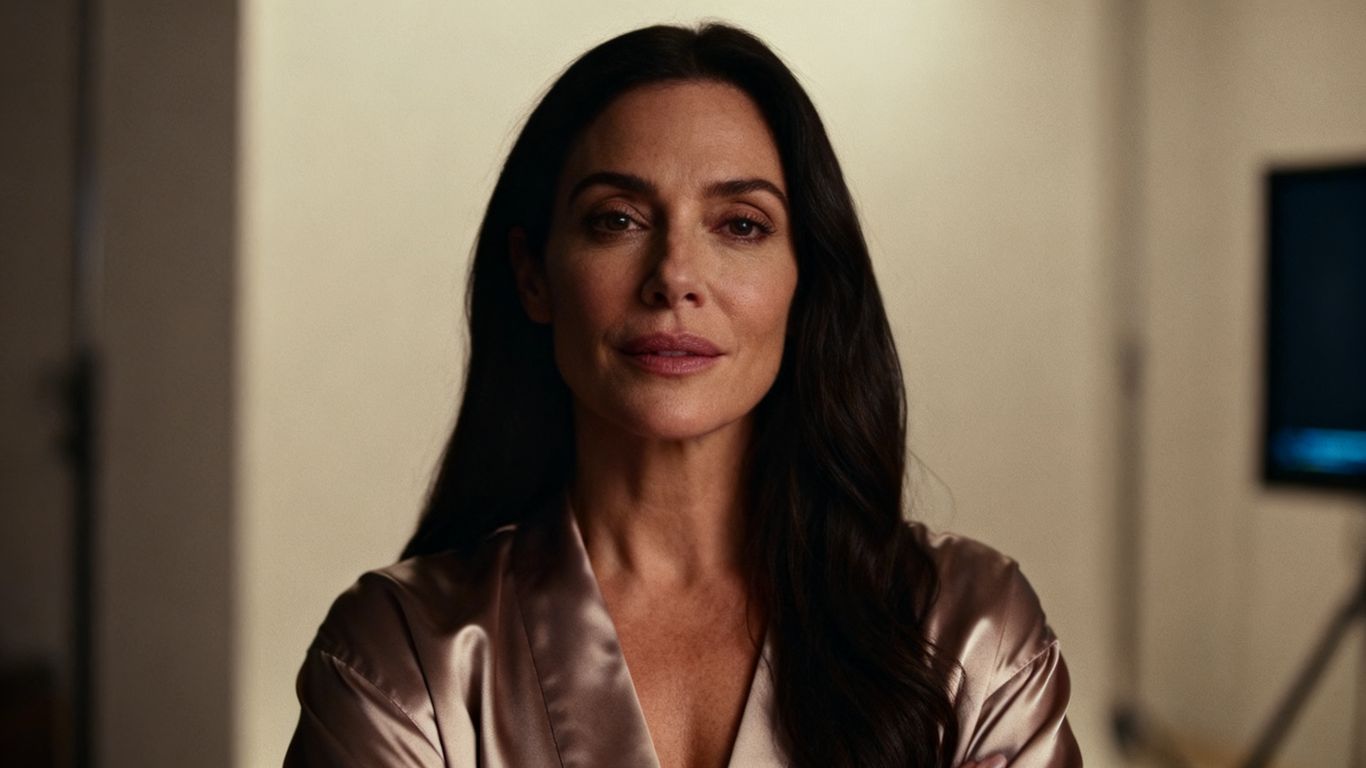
Building an AI companion in My Lover’s Creator Studio
My Lover’s Creator Studio is a step-by-step builder for creating an AI partner. It includes appearance, style, image source, identity, personality, relationship, kinks, and voice choices. Start with the traits that should remain stable across chats, then add optional details only when they help the character feel distinct. A smaller, coherent profile is easier to use than a crowded list of conflicting instructions.
Choosing appearance, style, identity, and personality details
The available setup covers realistic or anime style, hair and body details, a name, age, occupation, relationship, and personality traits such as playful, shy, dominant, or quirky. Select details that agree with one another. For example, a reserved personality and a bold outfit can coexist, but state which part should guide the scene’s mood. Keep the character’s age unambiguous and adult.
Using AI-generated images or uploaded reference images
The Creator Studio allows an AI-generated image or an uploaded reference image as the character’s image source. A reference should be lawful to use and should not expose another person without permission. Clear lighting, a visible face, and a simple pose usually give the system more useful visual information than a heavily edited or cluttered source.
Requesting photos and fantasy scenes through text chat
The chat experience supports on-demand photos, including a selfie, an outfit shot, or a fantasy scene, along with short videos of the character. Write the request as a compact visual brief: who is present, what they are wearing, where they are, what they are doing, and how the camera sees them. Keep the character’s established identity separate from the new scene details so the request stays readable.
How to write effective uncensored AI image prompts
A strong adult prompt is specific without becoming a pile of disconnected adjectives. Start with the subject and action, then add environment, composition, visual style, and mood. You do not need graphic language to control an image, though direct wording can help when a mature scene is allowed by the platform’s rules. The practical adult AI guide offers a helpful reminder to verify boundaries and handle reference files carefully.
Describing the subject, setting, pose, and composition
Name the adult subject, setting, pose, framing, and point of view in a logical order. “Adult woman seated beside a rain-streaked window, three-quarter portrait, one hand resting on the chair, eye-level camera” gives the model more structure than “beautiful woman, sexy, cinematic.” Include distance and orientation when they matter, such as full body, medium shot, profile, or over-the-shoulder.
Controlling realism, anime style, lighting, and color
Choose one main visual direction before adding refinements. Say photorealistic or anime, then specify light and color: soft window light, warm skin tones, cool blue shadows, muted red accents, or high-contrast studio lighting. Mixing too many style labels can pull the result in different directions. If the first result is close, change one visual variable at a time.
Adding wardrobe, mood, camera, and visual details
Wardrobe, expression, atmosphere, and camera language help establish the scene without replacing the subject. A useful prompt might mention a satin robe, relaxed confidence, a quiet bedroom, shallow depth of field, 50mm lens, and warm bedside light. Keep clothing descriptions adult and consensual, and use body language that supports the mood rather than relying on vague intensity words.
Refining vague prompts into more consistent results
When an output misses the target, diagnose the missing instruction instead of rewriting everything. Add a clear pose if the body is confused, a camera distance if the framing drifts, or a color note if the lighting changes. A simple refinement sequence makes testing easier:
- Fix the subject and adult age first.
- Add the setting and the main action.
- Specify framing, camera angle, and light.
- Remove style words that conflict with one another.
After each revision, compare the result with the previous image. That makes it easier to learn which wording affects composition and which wording only adds noise.
Exploring AnimatorHub.ai’s image and video capabilities
Still images and video serve different purposes. A photo is useful for checking identity, pose, wardrobe, and composition before spending more on motion. Video is better when timing, camera movement, expression, or a short narrative matters. The platform documentation lists text-to-video, image-to-video, and video-to-video modes, with 1080p output and several aspect ratios.
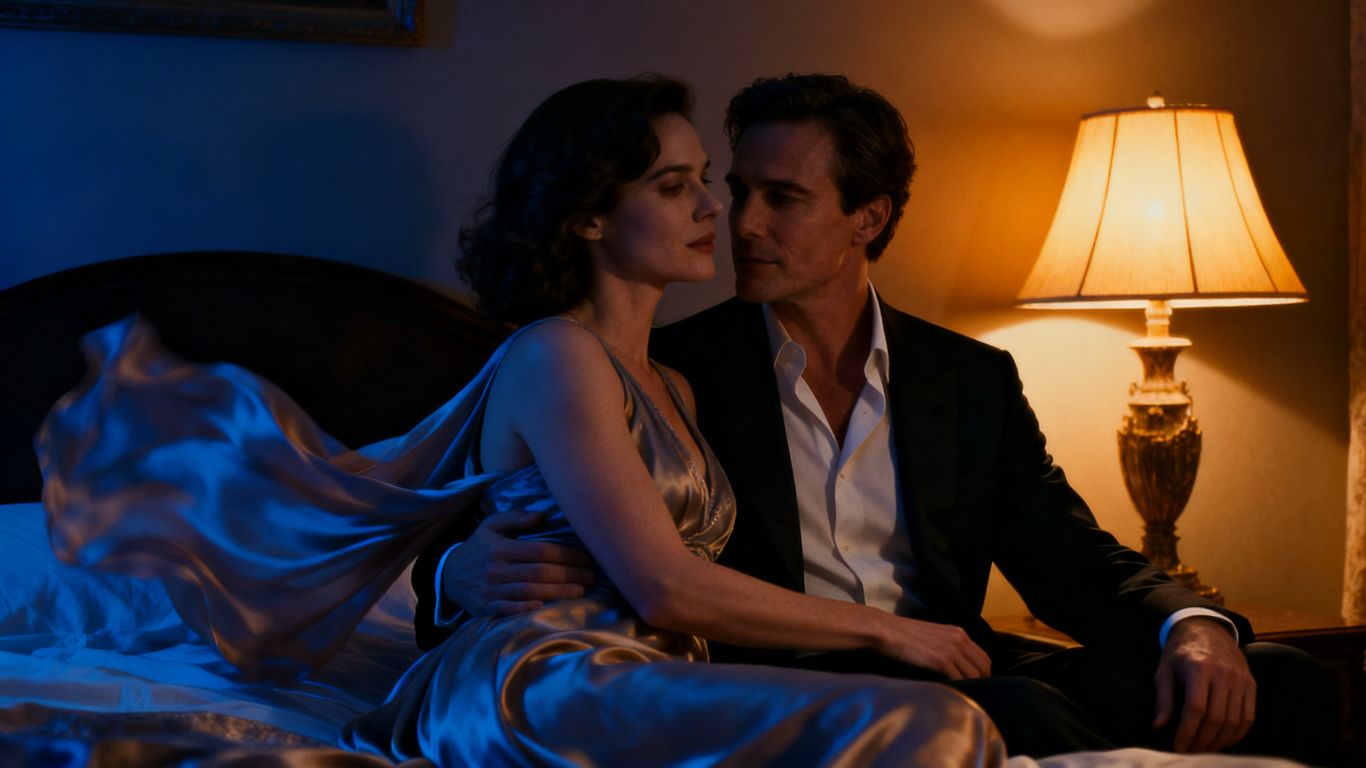
When to use image generation instead of video generation
Choose an image when you need a visual reference, a character portrait, or a single finished moment. It is also a sensible first test for composition because a still lets you inspect details quickly. Choose video when the action itself matters, such as a camera move, changing expression, or a brief sequence that cannot be judged from one frame.
Turning still images into animated clips with image-to-video
Image-to-video accepts a PNG, JPG, or WEBP still and applies motion described in the prompt. The documentation lists 5-, 10-, and 15-second durations, while the preview adapts to the source image’s aspect ratio. Ask for one or two clear movements, such as a slow camera pan and natural breathing, rather than filling a short clip with many unrelated actions.
Using text-to-video for cinematic scenes and sequences
Text-to-video turns a plain-language scene description into a clip and supports details such as subjects, environment, lighting, camera movement, and style. Listed durations are 5, 10, or 15 seconds. For a sequence, describe the opening composition, the motion, and the ending beat in that order. The multi-shot narrative mode can help organize longer cinematic ideas with timestamps.
A short reference video can make these distinctions easier to understand, especially when comparing a still source with a prompt-only scene. Keep the first test simple, then add duration, aspect ratio, and motion details once the basic direction works.
Combining generated media with AI companion conversations
Inside the companion experience, text chat can carry photos, videos, and voice notes alongside the conversation. That makes the media part of an ongoing character relationship rather than a disconnected render queue. Use the chat for requests that depend on the established persona, and use the broader generation interface when you need a standalone shot or a transformation of existing footage.
Privacy, anonymity, and content boundaries
Privacy involves account identity, uploaded files, visibility, and the people represented in a scene. An anonymous-facing interface can reduce exposure, but it does not make careless uploads safe. Keep references lawful, use private settings deliberately, and read the privacy policy for current data handling. Adult creative freedom works best when paired with clear personal boundaries.
How anonymous accounts and Google sign-in work
The service supports one-click Google sign-in and an anonymous creator profile. Public areas do not show a display name, avatar, or public identity, while the account owner can see the email associated with sign-in inside the user menu. That distinction matters: anonymous presentation is not the same as having no account record at all.
Keeping generated media inside the private vault
Uploaded files and generated media can be stored privately under the account, and the companion experience keeps exchanged photos, videos, and voice notes in a private vault. Review downloads and shared folders separately, since a private default does not prevent you from manually forwarding a file. Use neutral filenames and avoid uploading source material that you do not have permission to process.
Understanding public Explore visibility and sharing controls
The Explore gallery contains community videos that creators have set to public. Generated videos can be watched, downloaded, shared, hidden, or deleted, and visibility can be changed from the library. Before making a clip public, check its background, faces, metadata, and prompt overlay. A public post can reveal more context than the video itself.
Reviewing the platform’s restrictions on minors and illegal content
The stated hard limits are no content involving minors, no child sexual abuse material, and adult access with age verification. Those restrictions apply regardless of whether a prompt describes a fictional character, an edited reference, or a private experiment. Do not use a real person’s likeness without permission, and stop if a concept depends on exploitation or unlawful conduct.
Credits, access, and practical usage decisions
Cost control is easier when you know what each action consumes. The companion pricing information lists 5 credits for an image, 1 credit for 10 chat messages, and 1 credit for one second of video. Video generations can therefore become the largest part of a session, especially when testing several durations. Set a small test plan before moving to higher-resolution or longer work.
How the credit system applies to images, messages, and videos
The published companion rates give a simple working reference: 5 credits per image, 1 credit per 10 chat messages, and 1 credit per second of video. The wider video platform describes its own rule as 1 credit per second of generated video. Check the current in-app balance and transaction details before confirming a generation, since product areas can apply credits differently.
| Activity | Published credit reference | Practical use |
|---|---|---|
| Companion image | 5 credits | Test a portrait or scene |
| Chat messages | 1 credit per 10 messages | Continue a short exchange |
| Generated video | 1 credit per second | Budget by duration |
| Credit package | 100, 500, or 1,000 credits | Select a starting balance |
This table is best used as a planning aid rather than a promise about future pricing. Check the Credits page for the active balance, package terms, and transaction status before beginning a longer run.
Comparing subscription plans with pay-as-you-go credits
The companion information lists monthly plans with credits, priority chat and voice, and cancellation options, alongside one-off credit packs. The video platform is described as pay-as-you-go, with no subscription required, and its listed packages are 100 credits for $30, 500 for $125, and 1,000 for $200. Compare how often you create, not only the headline discount.
Using cryptocurrency payments and monitoring your balance
Cryptocurrency payments are supported, including BTC, ETH, USDT, and more, while card payments are noted as coming soon in the source material. The navbar shows a live balance, the Credits page provides transaction history, and low balances can trigger warnings before generation. Leave room for failed tests and do not buy more credits than your planned use justifies.
Choosing AnimatorHub.ai for experimentation, roleplay, or creative production
The best fit depends on the job. Use companion chat when persistent character memory, photos, videos, and voice notes matter; use video generation when you need text-to-video, image-to-video, or video-to-video work; use short tests when you are still learning prompt control. The image-to-video workflow is especially relevant when a finished still already has the look you want.
Conclusion
A Reddit search can point you toward adult AI image and video workflows, but good results come from checking the source, writing specific prompts, protecting private files, and budgeting each generation. Treat uncensored creation as a wider creative range with clear adult and legal boundaries, then choose still images, companion media, or video based on the result you actually need.
Frequently Asked Questions
What does “uncensored” mean in adult AI creation?
It generally means the service permits a broader range of mature creative content than heavily filtered tools, while still imposing age, consent, legal, and safety boundaries.
Are Reddit recommendations reliable for AI tools?
They can reveal useful workflows and failure modes, but posts may be outdated or based on one person’s settings. Verify current features, prices, and policies independently.
How can an image prompt produce more consistent results?
State the adult subject, setting, pose, framing, lighting, style, and wardrobe clearly. Change one or two variables between attempts so you can identify what improved the result.
Should I use a reference image?
A reference can help guide appearance, pose, or composition, but use only material you have permission to process and avoid files that expose another person’s private information.
Is private storage completely risk-free?
No online storage is risk-free. Use private visibility settings, limit sensitive uploads, review account access, and read the current privacy terms before storing personal material.
How should I budget AI generations?
Start with short tests, check the credit cost of each media type, and reserve a portion of your balance for revisions. Longer video clips can consume credits quickly.
What boundaries should adult creators keep in mind?
Every depicted person should be clearly adult, and content should be lawful and consensual. Do not create or upload material involving minors, child sexual abuse, exploitation, or unauthorized likenesses.