Blog › Reddit uncensored AI LLM - AnimatorHub.ai: A practical guide to private AI video creation
Reddit uncensored AI LLM - AnimatorHub.ai: A practical guide to private AI video creation
Reddit uncensored AI LLM - AnimatorHub.ai: private 18+ AI video creation, prompts, credits, and safety.
Key Takeaways
Reddit discussions about uncensored AI LLM tools often point toward a broader question: how much creative control do adult creators have over text, images, and video?
- An LLM mainly generates and edits text, while AI video tools turn prompts or source media into moving clips.
- Fewer filters can support adult artistic work, but they do not remove consent, privacy, age, or legal responsibilities.
- AnimatorHub.ai supports text-to-video, image-to-video, and video-to-video generation for users aged 18 and over.
- Short test renders, clear prompts, and credit tracking help keep a production workflow manageable.
- Private storage and careful visibility settings matter just as much as visual quality.
Understanding the Reddit uncensored AI LLM search intent
The phrase “Reddit uncensored AI LLM” combines a community search habit with a technical category that is often too broad. People may be looking for fewer refusals in text chat, adult image generation, or a video workflow that accepts mature creative concepts. Reddit can provide practical workflow clues, but platform rules and privacy terms still need to be checked directly.
What users typically mean by “uncensored AI LLM”
An uncensored AI LLM usually means a language model with fewer restrictions on what it will discuss or write. On Reddit, the phrase can also be used loosely for image, character, or video services that permit adult themes. Those are related interests, not the same product category. A text model can help write a scene description, but it does not automatically produce a finished video.
How text-based AI differs from AI video generation
Text-based AI works with language: prompts, dialogue, outlines, metadata, and revisions. Video generation adds visual continuity, motion, framing, timing, and source-media interpretation. That difference changes the workflow. A useful prompt for text may be a paragraph of dialogue, while a useful video prompt needs subjects, setting, action, camera behavior, and duration.
Why creators look for fewer content filters
Adult artists may want to depict intimacy, body-focused fashion, fantasy scenes, or explicit themes without repeated refusals that interrupt their process. Fewer filters can provide more room for legal adult expression, but “uncensored” does not mean permission to use someone’s likeness without consent or to ignore platform rules. A responsible workflow keeps source rights and participant consent clear from the start.
A useful rule is simple: creative range should expand the work, not erase accountability. Reddit threads can suggest tools and prompt patterns, while the service’s own policy should decide what is actually allowed.
How AnimatorHub.ai fits into the broader AI tool landscape
AnimatorHub.ai is positioned as an 18+ AI video generation platform rather than a general-purpose text chatbot. Its documented video modes use text descriptions, still images, or existing video sources, so the practical question is how to turn an adult concept into a controlled moving image. The Animator Hub guide for adult creators is a useful related reference for comparing generation modes, privacy controls, and credit planning.
What AnimatorHub.ai offers adult creators
Adult creators usually need more than a single prompt box. They need a starting medium, control over framing, a way to test short clips, and a place to keep results organized. The platform documentation describes three generation modes and cinema-grade 1080p output, with settings for aspect ratio, duration, and shot type.
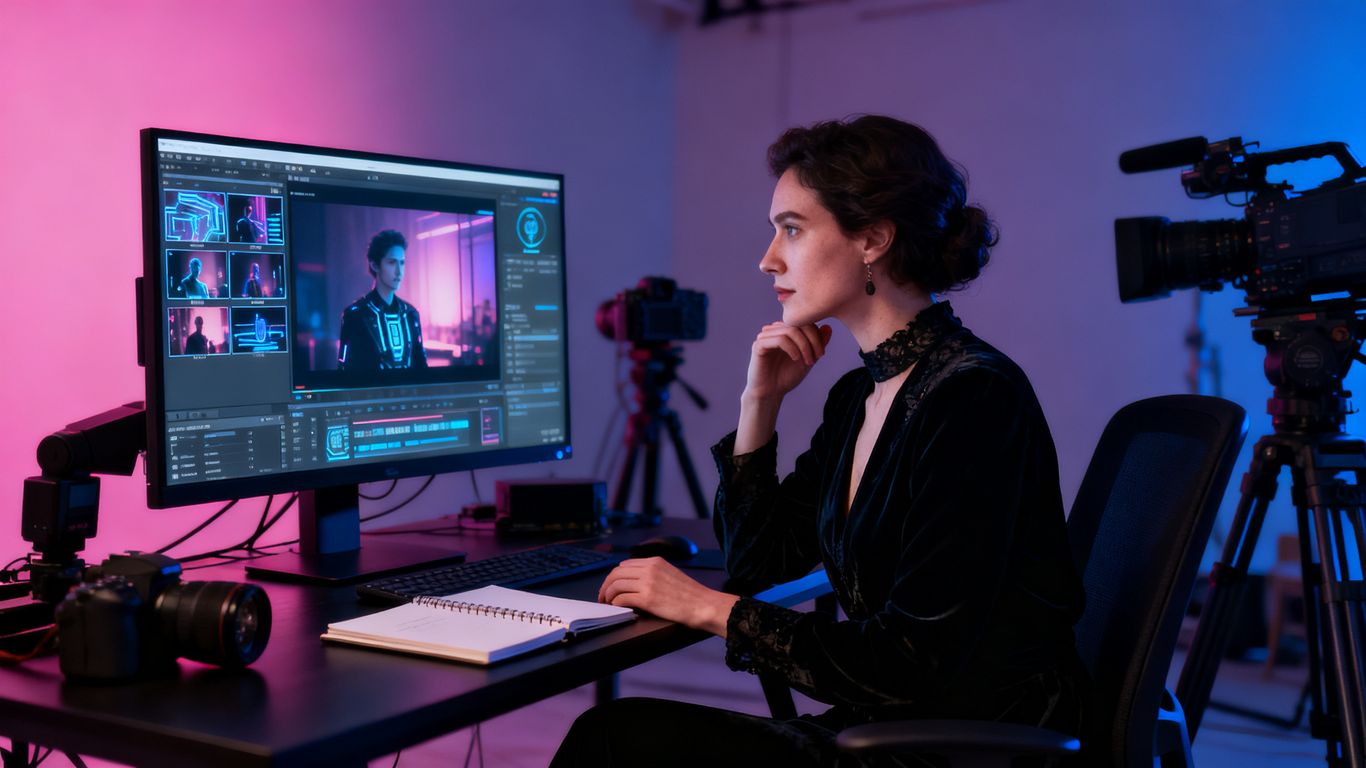
Text-to-video generation for cinematic concepts
Text-to-video starts with a plain-language description of a scene. The documented controls support details such as subjects, environment, lighting, camera movement, and style, with available durations of 5, 10, or 15 seconds. This is a practical route for a scene that exists first as an idea rather than as artwork or footage.
Image-to-video animation for artwork and photos
Image-to-video begins with a still image in PNG, JPG, or WEBP format. The system interprets the image and applies motion, expressions, and scene dynamics described in the prompt. The preview adapts to the source image’s true aspect ratio, which helps when the artwork was not created in a standard landscape frame.
Video-to-video transformation for existing footage
Video-to-video accepts up to three MP4 or MOV source clips, each between 2 and 30 seconds and no larger than 100MB per file. The documented workflow can apply style changes, modify scenes, restyle footage, or change clothing and environments. Generated durations for this mode are 5 or 10 seconds, so short source selections are easier to test and compare.
1080p output, aspect ratios, durations, and shot controls
Before starting a render, it helps to match the settings to the intended destination. The main controls are easier to compare side by side than remembered from one project to the next:
| Control | Available choice or rule | Practical use |
|---|---|---|
| Output | Cinema-grade 1080p | Suitable for detailed short-form clips |
| Text or image duration | 5, 10, or 15 seconds | Test motion before committing to a longer clip |
| Video-to-video duration | 5 or 10 seconds | Keep transformations focused |
| Source modes | Text, still image, or existing video | Start from the material you already have |
These settings do not replace a strong prompt, but they reduce avoidable mismatches between source material and intended framing. For a first attempt, a short duration and a clear shot type make the result easier to review.
How to create a video with AnimatorHub.ai
A first generation works best as a small production test, not a final shoot. Start with one clear idea, choose the source type that supports it, and keep the initial duration short enough to evaluate. The service uses an age gate and a credit system, so account setup and budget checks belong at the beginning rather than after a prompt is written.
Setting up an 18+ account and age verification
The platform is for adults aged 18 and over, and users must confirm their age on the first visit. The account model is anonymous by design: the public interface does not show a display name, avatar, or public identity. Google OAuth is available for one-click sign-in and sign-up, while the account email remains visible only to the account owner inside the user menu.
Choosing the right generation mode
Use text-to-video when the scene exists mainly as written direction. Use image-to-video when the look of a character, illustration, or photo needs to remain the visual starting point. Use video-to-video when there is already footage to restyle or modify. Picking the mode before writing the prompt prevents instructions from asking one type of input to behave like another.
Uploading reference images or source videos
Check the file format, duration, and size before uploading. Still images can be PNG, JPG, or WEBP, while source footage can be MP4 or MOV within the documented limits. Only upload material you own or have permission to use, especially when a recognizable person appears in it. This is also the right moment to decide whether the result should remain private.
Monitoring generation progress and reviewing results
The video library shows statuses such as pending, processing, completed, failed, and expired. In-progress generations refresh automatically, and completed work can trigger a notification with a thumbnail and watch control. After viewing a result, you can download it, change visibility, delete it, or regenerate a failed or expired item with the original settings prefilled.
A review pass should check motion quality, unwanted changes to faces or clothing, framing, and whether the result still follows the intended scene. Treat the first render as information for the next prompt, not as a verdict on the whole idea.
How to write effective prompts for uncensored AI video
A good adult video prompt is direct about visual facts without becoming a pile of disconnected adjectives. State who or what appears, where the scene takes place, what happens, and how the camera sees it. The in-app Guide also covers prompt formulas, cinematic vocabulary, lighting, composition, lens choices, and motion language.
Structuring prompts with subjects, settings, and actions
Begin with the subject and relevant appearance details, then add the environment, action, mood, and visual style. Keep the action physically readable: “turns toward the camera and walks three steps” gives the model more usable direction than a string of vague mood words. For adult material, describe consenting adults and the intended tone plainly while avoiding ambiguity about age.
Controlling camera movement, lighting, and composition
Camera language can make a short clip feel planned. Specify a close-up, medium shot, or wide shot, then add a movement such as a slow push-in, a lateral tracking move, or a locked camera. Lighting and composition should support the action rather than compete with it. A warm practical light, shallow depth of field, and centered subject create a more controlled starting point than several conflicting style references.
Using prompt enhancement and negative prompts
Prompt enhancement can expand a rough direction into more detailed visual instructions, while automatic negative prompts can help reduce common generation problems. Review both before rendering. Negative terms may address blurred faces, extra fingers, warped hands, unstable framing, unwanted text, or abrupt background changes. Short test renders save credits while you learn which instructions matter most for a particular scene.
After the first result, change one or two variables at a time. If the subject is right but the camera drifts, revise the camera language instead of rewriting every line. This makes the cause of an improvement easier to identify.
Planning multi-shot sequences with timestamps
For a longer concept, divide the action into shots with timestamps instead of asking for an entire sequence in one undifferentiated paragraph. A simple structure might be 0:00-0:03 for an establishing view, 0:03-0:07 for the main movement, and 0:07-0:10 for a close detail. Each shot should state its subject, action, camera, and transition so the sequence has a clear rhythm.
Privacy, credits, and account management
Privacy is part of the workflow, not a setting to consider after publishing. The documented account model keeps public identity details out of the interface, stores uploaded files privately, and lets the creator decide whether a finished video stays private or appears in Explore. Credit-based pricing also makes it possible to budget by seconds rather than commit to a recurring subscription.
Anonymous account features and Google sign-in
Users can sign in with Google OAuth while keeping an anonymous Creator profile in the public interface. There is no public display name, avatar, or social profile, and no public-facing personal information is shown. This setup separates account access from the identity other gallery visitors see.
Private storage in My Videos and album organization
The My Videos area stores generations tied to the account. Creators can watch, download, hide, delete, and organize videos into albums, with drag-and-drop ordering and bulk actions for larger libraries. A video can also be set to private or public, so reviewing visibility before sharing is a useful habit.
Pay-as-you-go credits and generation costs
The pricing rule is one credit for one second of generated video. Listed packages include 100 credits for $30, 500 credits for $125, and 1,000 credits for $200. Because duration directly affects the balance, short tests are a sensible way to compare prompts before spending on a longer run.
Cryptocurrency payments, transaction history, and credit expiry
Cryptocurrency payments are supported through options including BTC, ETH, and USDT, while credit card payments are listed as coming soon in the source material. The Credits area shows the current balance and transaction history, and purchased credits do not expire. A low-credit warning appears before generation begins, which gives you a chance to revise the duration or add funds.
Content boundaries and responsible use
A lower-filter workflow still needs firm boundaries. Adult access, consent, source rights, and privacy remain part of every upload and generation decision. The service policy permits unrestricted adult content creation but sets hard limits around minors and child sexual abuse material.
Adult-only access and age requirements
Users must be 18 or older and confirm their age through the gate shown on first visit. Adult themes should involve adults whose participation and likeness use are authorized. If a concept leaves a person’s age unclear, revise it before creating or sharing the material.
Prohibited content involving minors or CSAM
Content involving minors is prohibited, as is CSAM of any kind. These are firm boundaries, not prompt problems to work around. Do not upload, request, transform, or share material that violates them, and report concerns through the appropriate platform channels rather than circulating the files.
Keeping uploaded files and generated media private
Uploaded files are stored privately and tied to the account, but privacy also depends on account habits. Use strong account access, avoid sharing private download links casually, and review visibility before sending a result to another person. Consent applies to reference images, source footage, recognizable faces, and any later publication.
Using the Explore gallery and public sharing controls responsibly
Explore is a public gallery containing videos creators have chosen to make public. Use it for inspiration without copying another creator’s source material or reposting work without permission. Before switching a video from private to public, check the people, artwork, locations, and rights represented in the frame, as well as the rules of any site where you plan to share it.
Conclusion
The Reddit uncensored AI LLM search intent often points to a need for fewer creative interruptions, but text chat and video generation solve different parts of the process. A practical workflow combines the right input mode, clear camera direction, short tests, private storage, careful credit use, and strict adult-only boundaries. That approach gives creators more control without treating responsibility as optional.
Frequently Asked Questions
What does “uncensored AI LLM” usually mean?
It usually refers to a language model with fewer restrictions on adult or sensitive discussions, although people sometimes use the phrase for image or video tools as well. The exact capabilities and limits depend on the service.
Is an AI LLM the same as an AI video generator?
No. An LLM primarily works with text, while an AI video generator creates moving visual output from text, images, video, or combinations of those inputs.
Why do adult creators look for fewer content filters?
They may want to produce legal adult art, fantasy scenes, or mature visual studies without repeated refusals. Fewer filters still do not remove the need for consent, age verification, privacy, and lawful use of source material.
What makes a video prompt more effective?
A strong prompt identifies the subject, setting, action, camera position or movement, lighting, composition, and style. Clear instructions are usually easier to evaluate and revise than a long list of unrelated adjectives.
Should a first AI video render be long?
Usually not. A short test makes it easier to check motion, framing, identity consistency, and prompt interpretation before spending more credits or time on a longer sequence.
How can creators protect private AI videos?
Keep uploads and results in private storage, review visibility controls before sharing, protect account access, and confirm that everyone shown in source material has given appropriate permission.
What boundaries should adult AI video workflows follow?
All depicted people must be adults, and content involving minors or CSAM must never be created, uploaded, transformed, or shared. Consent, source rights, privacy, and the rules of the publishing destination should guide every project.