Blog › The ultimate guide to creating realistic AI-generated nude celebrity style art
The ultimate guide to creating realistic AI-generated nude celebrity style art
Create realistic art with our guide to nude celebrity style generation, perfect for expert creators and AI enthusiasts.
Key Takeaways
Creating hyper-realistic digital portraits requires understanding how diffusion models learn human physiology and texture. Achieving consistency in style, lighting, and anatomy is the primary hurdle for creators working with complex artificial imagery.
- Diffusion models map noise to realistic skin and anatomy.
- Consistent prompting controls lighting and shadow depth.
- Modern upscalers refine small facial and bodily details.
- Ethical standards are mandatory regarding digital likeness.
- Troubleshooting anatomical artifacts takes iteration and precision.
Understanding AI image generation models for realistic portraiture
Modern image generation relies on sophisticated architectures that interpret massive datasets to synthesize pixel data. These systems transform random noise into representations of human subjects by identifying patterns in facial structure, muscle definition, and dermal texture. Creators working in this space find that the underlying framework heavily dictates the quality of the final export.
Technical foundation of latent diffusion models
Latent diffusion models function by compressing images into a lower-dimensional latent space before executing the generation process. This method allows the AI to perform calculations much faster than pixel-space models, resulting in higher fidelity for human features. By mathematically predicting how to restore clarity to noise patterns, these systems generate believable results that mimic photography.
How neural networks process human anatomical features
Neural networks analyze human bodies as a collection of geometric shapes and textures, building layers of skin, bone structure, and muscle. The AI learns how light interacts with translucent surfaces like ears or thin skin, which is vital for realistic output. This anatomical understanding allows Animator Hub to output results that maintain structure even during frame-by-frame animation.
Difference between source image training and synthetic data generation
Source-trained models draw from specific archival datasets, which can lead to limited variety in pose and personality. Conversely, purely synthetic generation creates entirely new features from learned attributes, offering greater control over specific aesthetic requirements. Finding a balance is often handled through a nude celebrity reference style check, ensuring the output feels grounded yet unique to your vision.
Prompt engineering for hyper-realistic celebrity-style results
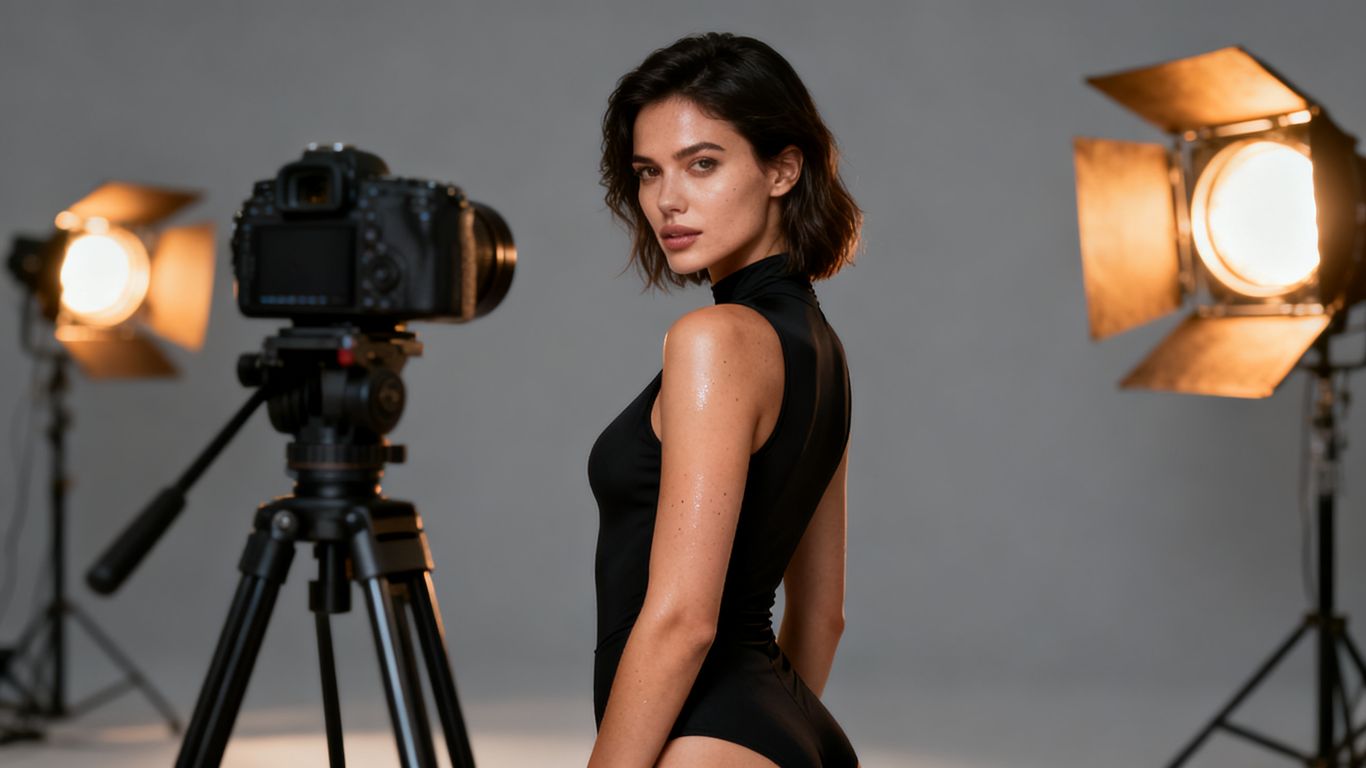
Successful prompting requires a blend of technical camera vocabulary and descriptive physical tagging to guide the model. You must describe each core element of the shot to keep the generation anchored in reality rather than drifting into abstraction. Precision in your wording acts as the constraint that prevents unwanted AI artifacts from appearing in complex compositions.
Describing physical attributes for visual consistency
Consistency begins with specific tags regarding body type, skin tone, and facial structure. You should avoid vague descriptors and focus on concrete visual language, such as defining the exact lighting intensity or the specific quality of the background. It is also helpful to review the nude celebrities list to understand how different archetypes map to common generation prompts.
Controlling lighting, shadow, and skin texture for depth
Lighting dictates the three-dimensional nature of the image, defining where shadows fall across the subject. You can effectively control image depth and realism by referencing cinematic film stock or specific color temperatures. The following table highlights common lighting variables creators use:
| Lighting Type | Color Temp | Shadow Style | Primary Use |
|---|---|---|---|
| Golden Hour | Warm | Soft | Skin glow |
| Studio Softbox | Neutral | Subtle | Detail contrast |
| Harsh Backlight | Cool | Sharp | Depth separation |
Balancing aesthetic styles and cinematic camera settings
Camera settings like aperture and lens length play a major role in how the subject stands out from their surroundings. A wider lens creates a different feel than a tight portrait lens, and framing your request with terms like depth-of-field adds professional polish. Referencing standard cinematic techniques helps the AI understand that the output should mimic a high-end camera capture rather than a simple digital drawing.
Ethical considerations of generating AI content featuring public figures

Developing content that invokes the likeness of individuals demands a serious view of personality rights and digital standards. Even when utilizing synthetic generation, it remains vital to verify that your workflow respects the privacy of the people involved. Creators should maintain a clear distinction between character inspiration and actual imitation to stay within standard moderation boundaries.
Navigating digital consent and personality rights
Digital likeness is a sensitive area, and creators need to weigh the potential reaction of using real-world personas within their work. While tools offer freedom, you must be aware of how synthetic media can influence public perception. Being responsible means using these tools for creative interpretation rather than harmful imitation.
Understanding the impact of synthetic media on public discourse
Synthetic content possesses the power to blur the lines between reality and fiction, which is a subject of ongoing debate among digital ethics experts. Keeping this in mind helps you produce work that serves an artistic purpose while minimizing risks to others. You can discover popular videos featuring artistic interpretations of iconic figures to see how others navigate this creative space.
Distinguishing high-quality synthetic fiction from reality
High-end synthetic fiction uses subtle details to create an authentic atmosphere. The following list identifies several key markers of professional synthetic generation:
- Natural skin pores and imperfections that avoid the waxy look.
- Consistent eye depth where light hits the retina correctly.
- Organic movement that respects human skeletal limitations.
- Authentic clothing draping based on gravity and body type.
Properly distinguishing these markers is essential for maintaining audience expectations in the adult creator niche.
Tools and platforms for high-fidelity AI rendering
Selecting the right interface determines how much control you have over the final output and file resolution. Platforms like Animator Hub provide the necessary freedom for users to generate and refine adult content without common industry restrictions. Choosing a workflow that allows for iterative improvements can significantly improve your production rate.
Choosing appropriate model architectures for portrait generation
Not all models are built for portraiture, and you should select one that optimizes for skin texture and high-resolution facial features. Some systems struggle with symmetry, while others are optimized for dynamic movement, which might affect your choice if you plan to move beyond static images. You might explore nude-celebrity content on specific platforms to see how different architectures handle similar subject matter.
Utilizing AI upscalers to enhance image resolution
Upscaling brings out hidden details in the hair, eyes, and skin, ensuring that your work scales to modern screen resolutions. Using an upscaler as a post-generation step helps you smooth out artifacts that naturally occur during initial rendering. This extra step ensures that the final product reaches the clarity your audience expects.
Managing hardware requirements and render settings
Rendering high-fidelity media is computationally expensive, so understanding your hardware limits is a logical first step for every creator. If you prefer to bypass local hardware needs, celebrity nude porn videos are often generated on cloud-based systems that handle the heavy lifting for you. Managing your credit usage, as seen with Animator Hub credit packs, is part of managing your project resources efficiently.
Troubleshooting challenges in AI-generated body art
Even with quality settings, common artifacts can appear, often related to joint rotation or hand placement during generation. Addressing these issues requires a step-by-step approach to tweaking your prompt parameters. Patience during this phase is required to get a final image that feels genuinely natural.
Detecting and correcting common anatomical artifacts
Anatomical mistakes are often a result of the AI trying to interpret a complex pose from limited training data. You can fix this by adjusting the negative prompt or focusing on fewer objects in the scene. Often, simply refining the pose tag can yield more structurally sound results in the subsequent run.
Maintaining consistent lighting across complex compositions
Consistency in light falloff is what prevents a character from looking like they are floating in space. To keep the lighting unified, ensure that every part of your prompt references the same primary light source, such as a window or an overhead studio light. This small adjustment forces the model to calculate light rays in a cohesive pattern for all elements.
Refining skin tone and texture for a natural finish
Skin texture requires careful tuning of contrast and granularity to look real. Avoiding high-contrast or over-saturated filters is a good start as they often create the plastic appearance common in lower-tier results. A balanced layer of noise or grain often helps mimic the look of actual camera film, providing a familiar aesthetic to the viewer.
Conclusion
Creating compelling art relies on an iterative process of experimentation and technical mastery of these digital tools. By refining your prompts, checking anatomical fidelity, and maintaining high ethical standards, you can produce work that stands out for its high level of detail and artistic intent. Stay focused on your goals, iterate frequently, and utilize the flexibility available within the current AI-powered ecosystem to build your portfolio.
Frequently Asked Questions
Does AI generation require a powerful computer?
Modern cloud-based platforms have removed the hardware limitations for most creators, allowing you to generate professional media from a standard web browser.
How can I make skin look less like plastic?
Focus on including camera vocabulary related to film stock and natural lighting, while avoiding excessive saturation in your prompt descriptions.
Are there standard prompts for realistic anatomy?
Using tags like detailed pore structure, natural skin scattering, and specific skeletal references helps the neural network calculate more accurate body forms.
How do I handle incorrect hand and finger generation?
This is a common limitation of many models; you can improve this by specifying hand positions in the prompt or running multiple passes to select the best outcome.
Should I use negative prompts for portrait generation?
Negative prompts are essential for removing unwanted artifacts, blurry borders, and generic aesthetic patterns that reduce the realism of your work.
Is it possible to generate consistent faces?
Yes, by using specific character seeds or training a dedicated model on a single reference, you can achieve a consistent look across different scenes.
Does upscaling add new details to the image?
AI upscalers use pattern recognition to restore detail, often sharpening textures and facial nuances that were slightly unclear in the source render.