Blog › Deepnude AI: A complete guide to modern AI image generation technology
Deepnude AI: A complete guide to modern AI image generation technology
Learn how deepnude ai works for modern image generation and explore top platforms for your content needs today.
Key Takeaways
Modern image generation relies on sophisticated models that transform basic inputs into high-quality visual outputs. This article explores the technical and ethical dimensions of these tools.
- Latent diffusion models serve as the backbone for current visual generation technology.
- Proper parameter selection and prompt engineering significantly improve output quality.
- Ethical standards require 18+ age verification and strict content policies.
- Specialized platforms offer enhanced features compared to general-purpose generative models.
- Anonymous creation platforms prioritize user privacy through decentralized payment and data storage.
Understanding modern AI image generation technology
Modern digital imagery creation stands on the shoulders of generative advances that have recently moved from academic concepts to consumer-grade tools. Understanding these shifts helps creators get the most out of their machines.
The evolution of latent diffusion models
These models operate by mapping data into lower-dimensional space, where the AI can effectively manage visual noise to assemble coherent images. The shift towards latent space allowed researchers to reduce the computing power needed for high-quality generation, making it possible for local hardware to handle complex tasks that once required massive server clusters.
Processing speed and hardware requirements for high-quality output
High-quality rendering places significant load on modern GPUs, with VRAM being the most critical component. Most users find that mid-to-high-tier dedicated graphics cards provide the balance of speed and stability needed for consistent results without having to wait excessively for batch processing.
Understanding 1080p rendering and aspect ratio customization
Producing clean, sharp assets at standard resolutions requires careful calibration of the internal generative sampling steps. Animator Hub gives creators tools to generate cinematic 1080p clips as a standard workflow, ensuring that final files are professional and ready for immediate deployment.
The role of prompt engineering in achieving realistic results
Writing effective prompts requires clear descriptors of subject, light, and perspective. A well-crafted query guides the model away from artifacts, resulting in more natural skin textures and accurate lighting, which is vital when creating content that mimics authentic photography.
How AI-powered photo editing and manipulation works
Manipulation logic focuses on preserving the essence of a source image while allowing for specific modifications. This workflow is now a staple for creators who need rapid iterations for their projects.
Text-to-image versus image-to-image conversion methods
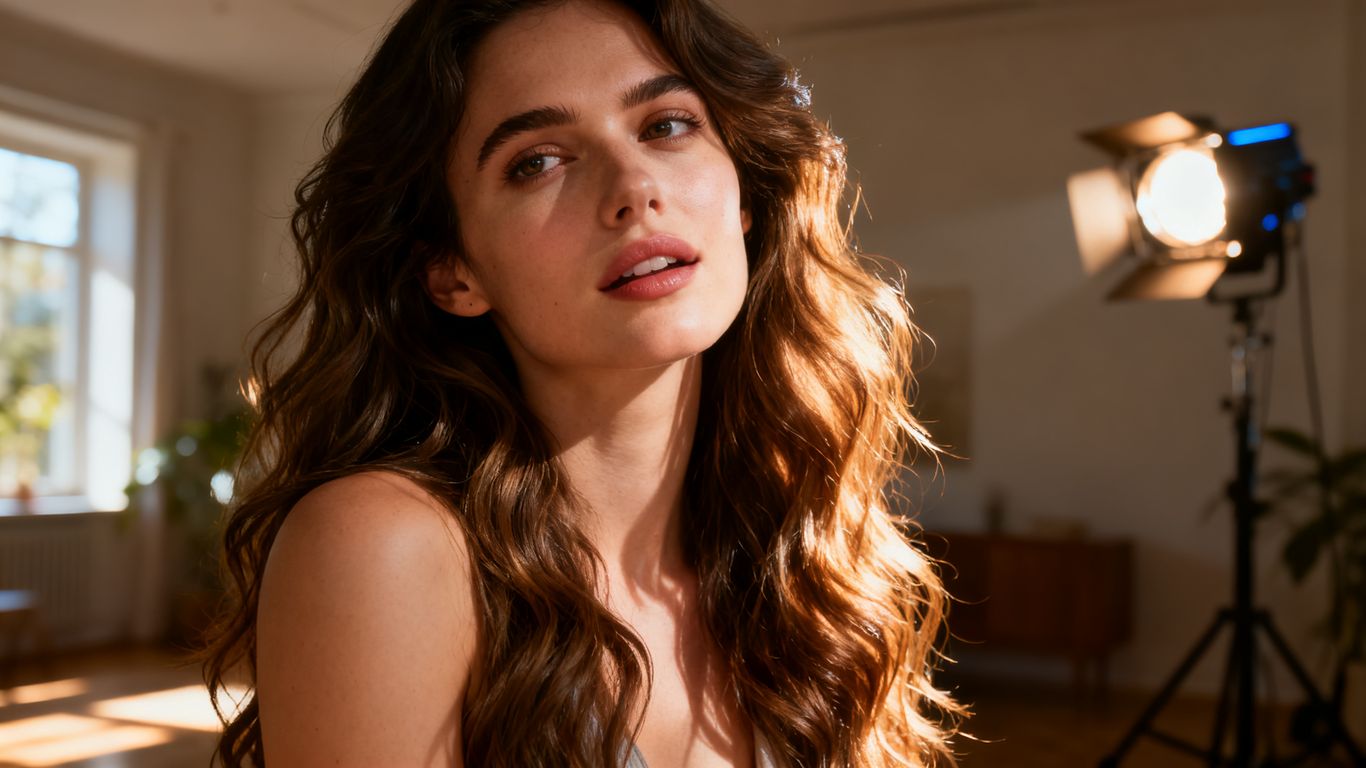
Text-to-image methods start from a blank slate, whereas image-to-image methods use a reference file as the structural foundation. Creators often alternate these styles to find the best balance of speed and intentional design elements, relying on a transparent and reliable workflow to manage their output volume.
Applying natural motion and expressions to still photos
Animating a still portrait involves complex movement mapping that ensures expressions feel organic rather than jarring. Modern techniques allow for subtle facial gestures that transform a static image into a scene that feels alive and present.
Style transfer techniques for artistic customization
Artists often apply specific style references from film or classical painting to their digital photos to achieve a distinct look. These tools offer a way to maintain visual consistency across a project without needing to retrain models for every new character or setting.
Utilizing negative prompting to improve image accuracy
Negative prompts act as a filter, telling the machine exactly what to avoid during the generation process. Many users employ the following structure to keep their outputs precise:
- Define the unwanted distortion or artifact type.
- List common technical errors like blurry limbs or floating objects.
- Identify color imbalances that detract from the professional finish.
- Specify aesthetic styles that clash with the intended output.
Ethical considerations and creator responsibilities
Tools designed for human representation carry inherent risks that demand a firm commitment to privacy and safety. Responsibility rests with both the platforms providing the utility and the users who operate them.

The importance of voluntary content generation
Ensuring that all visual content creation involves voluntary participation is the cornerstone of a safe environment. Users should strictly observe boundaries, especially in the context of personalized character experiences.
Addressing the requirement for 18+ age verification
Standard safety protocols like robust age verification gates are mandatory for any platform providing uncensored access. These mechanisms verify user maturity before unlocking the generation tools, helping to maintain a focused environment for adult creators.
Understanding platform-level content policies and safety limits
Platforms need clear rules that prohibit harmful or non-consensual content of any kind. Comparing the various approaches to safety helps users choose where to host their projects; for instance, many sites differentiate their moderation through the following table:
| Platform Category | Content Filter Level | Privacy Model | Best Use Case |
|---|---|---|---|
| General Generative | Restrictive | Public Traces | Mass Outreach |
| Specialized Adult | Off-limits | User-centric | Personal Art |
| Anonymous Driven | Full Control | Encrypted Vault | Sensitive Logic |
Balancing artistic freedom with user privacy protections
Protecting individual privacy requires that media generation remains isolated from social public indices. When content stays entirely in a private vault, the creator remains the owner of their experience, free from judgment or data leakage.
Differences between standard AI and specialized Deepnude AI tools
Standard platforms and specialized tools serve distinct functions, specifically concerning anatomy and pose generation. Users can find various Deepnude AI generators that allow for tailored results, but comparing them to broad tools is essential.
Specialized models versus broad-purpose generative platforms
Broad-purpose models excel in general landscape or object scenes, while specialized models are tuned for complex organic subjects. Those seeking deeper insights into these distinctions can check out DeepNude AI Free guidance to see how dataset tuning influences the final rendering quality.
Handling complex anatomy and clothing rendering physics
Rendering clothing physics accurately—especially the interaction between fabric and body—requires dedicated logic that general models rarely prioritize. Specialized tools solve this by parsing depth maps effectively, ensuring the final visual result looks natural during movement.
The transition from static generation to video animation
Video represents the next stage of realism, moving beyond static images to fluid expression. Platforms that successfully achieve this transition treat each second of video as a series of frame-dependent operations that maintain structural integrity.
Accuracy metrics in realistic body rendering
Accuracy is measured not just in clarity, but in the anatomical correctness of the depicted subjects. Developers look for consistent proportions and soft tissue response that aligns with human physiology.
Navigating the landscape of anonymous AI creation platforms
Private generation is the preferred path for professionals working on sensitive projects. Staying anonymous keeps the focus entirely on the creative work rather than the user identity.
Why anonymous design is preferred by content creators
Professional creators often require a space where their projects cannot be mapped to their real-world identity. Anonymity platforms remove indicators like public profiles that often plague casual web creation tools.
Utilizing decentralized payment methods for enhanced privacy
By incorporating cryptocurrency payments, creators gain an extra layer of financial security. This approach allows users to access high-quality AI creation tools without linking their bank accounts or traditional identity markers to the service.
Evaluating the benefits of credit-based, pay-as-you-go models
Pay-as-you-go models are highly efficient for varied project loads, allowing users to spend only on what they use. This avoids the traps of recurring subscription locks that can lead to wasted monthly spending.
Managing private media vaults and secure data storage
Keeping generated media in a restricted local or cloud vault ensures only the creator can see their work. This security is often highlighted in community Deepnude AI guide resources, emphasizing that privacy is not just a feature, but a requirement for modern art.
Conclusion
Mastering these tools requires a blend of technical understanding, ethical rigor, and privacy management to succeed as an adult content creator. By focusing on reliable, anonymous platforms, you gain the freedom to express your vision in an unrestricted environment while maintaining control over your identity and creative output.
Frequently Asked Questions
Is deepnude ai technology legal to use?
The legal status of these tools depends on local laws regarding digital representation and the specific nature of the content created. Users must always ensure compliance with local regulations and respect the privacy and rights of others when using generative software.
Can I run these models on a standard home laptop?
Most modern generation platforms rely on cloud computing because high-quality rendering requires immense graphical processing power. While basic models can run locally, professional workflows typically demand significant VRAM that exceeds what is found in everyday home laptops.
How does age verification protect the platform?
Age verification acts as a hard gate, preventing anyone under legal adult age from interacting with NSFW content generation. This measure is essential for maintaining platform integrity and adhering to global safety and legal content guidelines.
Does using these tools leave a public record?
Platforms built with privacy in mind do not link your identity to your creations, and they avoid public indices. If you choose an anonymous-first platform, your generated assets remain trapped in your private account, unreachable by the public.
Are the results of these models always realistic?
Even advanced tools occasionally produce artistic artifacts or minor anatomical inconsistencies depending on the input quality. High-quality results often depend on using clear reference images and refining the prompt to guide the AI effectively.
What are the main benefits of pay-as-you-go credit systems?
Credit systems provide financial flexibility by allowing you to pay only for the seconds or images you generate. This eliminates the burden of monthly subscriptions, letting you manage your budget around the actual volume of work you produce.
Why is anonymization important for digital art creators?
Anonymization protects the creator's privacy, preventing their work from being tracked back to their life offline. It fosters an environment where artists can experiment without fear of social repercussions or unwanted exposure of their personal digital assets.